Table of Contents
- 1. Conduct Whole Life Cost Analysis for Fleets
- 2. Define Clear Fleet Requirements Before Purchasing
- 3. Plan Your Electric Vehicle Fleet Transition Strategy
- 4. Implement Strong Fleet Management Systems
- 5. Optimise Salary Sacrifice Car Schemes for Your Team
- 6. Build in Regular Review and Compliance Checkpoints
- Frequently Asked Questions
Last Updated: September 19, 2026
6 Best Practices for Business Fleet Planning
Effective business fleet planning separates companies that control costs from those that bleed money on vehicles they don't need. At OVL Group, we've worked with field service operators, domiciliary care providers, and mid-market enterprises across the UK, and the pattern is consistent: teams that plan their fleets strategically save thousands of pounds annually whilst improving operational efficiency.
The challenge isn't buying vehicles. It's buying the right vehicles, in the right quantities, financed the right way, and managed with systems that actually work. Most businesses skip the planning phase entirely, they inherit a fleet, add vehicles when someone complains, and wonder why their costs spiral. This guide covers the six practices that change that outcome.
1. Conduct Whole Life Cost Analysis for Fleets
Whole life cost analysis examines every expense associated with owning and operating a vehicle over its entire lifecycle, not just the purchase price. This includes finance costs, fuel, servicing, maintenance and repairs (SMR), insurance, tax, and depreciation.
Most fleet managers focus only on the monthly lease payment. That's backwards. A vehicle that costs £50 per month more but uses 20% less fuel and requires half the maintenance will save you thousands over three years. The whole life cost analysis reveals which vehicles actually deliver value.
The analysis matters most when you're choosing between vehicle types. A diesel van might have a lower upfront cost than an electric alternative, but once you factor in fuel savings, reduced SMR, and potential tax advantages, the picture changes dramatically. Teams that run this calculation before committing to a fleet transition strategy avoid costly mistakes.
For businesses managing 50+ vehicles, whole life cost analysis becomes non-negotiable. Small differences per vehicle compound across your entire fleet. OVL Group's approach includes detailed breakdowns of each cost category, allowing you to see exactly where your money goes and where you can optimise. Our Vehicle Leasing Special Offers and Van Leasing Special Offers are structured to deliver genuine whole life cost advantages, not just attractive headline rates.
2. Define Clear Fleet Requirements Before Purchasing
Too many businesses purchase vehicles based on assumptions rather than data. "We might need a larger van" or "Everyone else has this model" are not fleet requirements. Clear requirements come from understanding actual operational needs: payload capacity, fuel type, passenger count, range, and usage patterns.
Start by auditing your current fleet usage. Which vehicles are underutilised? Which are overloaded? Do your drivers spend more time driving or working on-site? Are routes primarily urban or motorway? These answers determine what you actually need to buy.
Define requirements in writing before you approach any leasing provider. Specify vehicle types, quantities, delivery timescales, and must-have features. This prevents scope creep and ensures providers give you comparable quotes. It also forces your team to think through operational constraints before committing budget.
For salary sacrifice schemes, where employees select vehicles from an approved list, clear requirements mean defining which models qualify and why. This protects both compliance and fairness. Drivers understand the boundaries, and finance can manage the tax implications accurately.
3. Plan Your Electric Vehicle Fleet Transition Strategy
Electric vehicle fleet transition strategy is no longer optional for most UK businesses. HMRC incentives, operational cost advantages, and regulatory pressure towards decarbonisation mean that most fleets will transition partially or fully to electric within the next five years. The question is not whether to transition, but how to do it without disrupting operations or overspending.
A phased approach works better than wholesale replacement. Identify routes and use cases where electric vehicles already work, short urban runs, depot-based operations, predictable daily mileage. Pilot with 10-15% of your fleet first. Monitor real-world range, charging infrastructure availability, driver experience, and total cost of ownership.
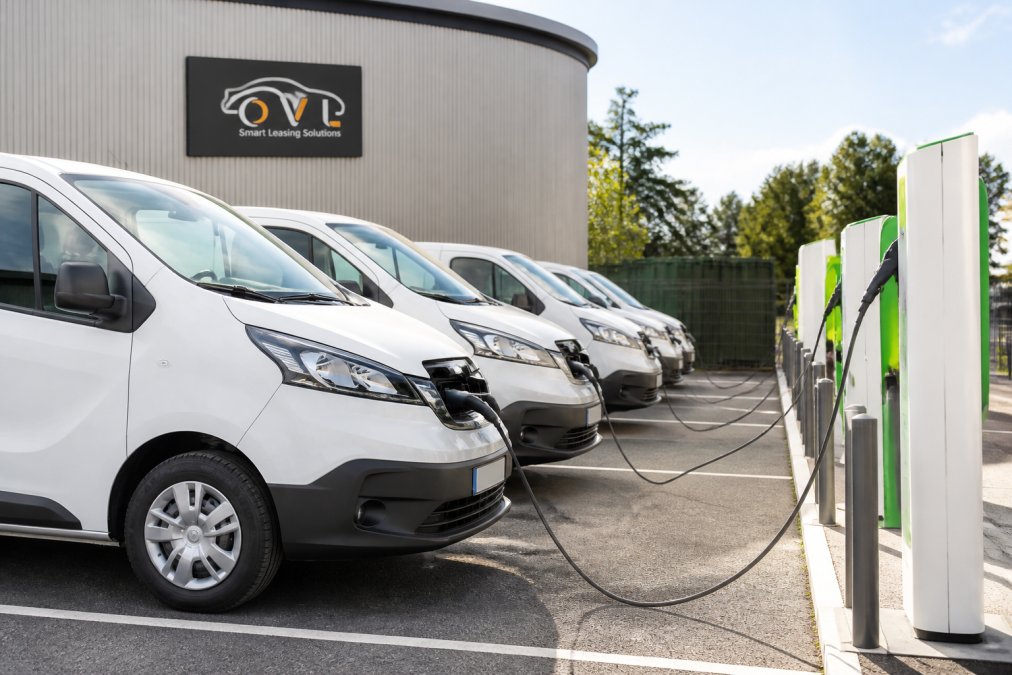
Used electric vehicles offer a compelling option for businesses hesitant about new-vehicle pricing. OVL Group's Lease Used Electric Vehicles programme gives you access to vehicles with proven reliability at lower cost, making transition more affordable for smaller fleets and those testing the waters before larger commitments. Alternatively, our Electric / Hybrid Leasing options provide access to the latest models with full manufacturer support, allowing you to choose the approach that suits your budget and risk tolerance.
Charging infrastructure is the constraint most teams underestimate. Before you commit to electric vehicles, confirm that depot charging, workplace charging, or public networks cover your actual routes. A vehicle with 250-mile range is useless if your longest daily route is 180 miles with nowhere to charge overnight. Plan the infrastructure alongside the vehicles.
Your transition strategy should also address driver training and expectation-setting. Electric vehicles behave differently, regenerative braking, different acceleration, range anxiety. Teams that prepare drivers for these differences see faster adoption and fewer complaints.
4. Implement Strong Fleet Management Systems
Fleet management systems reduce administrative burden and improve visibility across your entire operation. A strong system tracks vehicle location, fuel consumption, maintenance schedules, driver behaviour, and compliance status in one place. Without this, you're managing fleets on spreadsheets and phone calls, a recipe for missed services, compliance failures, and wasted time.
The right system pays for itself through reduced downtime, better maintenance planning, and lower fuel costs through driver behaviour monitoring. Teams that implement fleet management systems report significant reductions in paperwork and administrative overhead, critical when you're managing vehicles across multiple regions.
OVL Group's FleetManagerPlus system simplifies fleet administration for businesses of all sizes. It integrates with your leasing agreements, tracks compliance requirements, and provides the visibility you need to make data-driven decisions about your fleet. For field service companies and domiciliary care providers managing 50+ vehicles, this eliminates the administrative chaos that typically accompanies growth.
Look for systems that offer real-time alerts for maintenance due dates, MOT renewals, and insurance expiry. Preventative maintenance costs far less than emergency repairs. A system that flags issues before they become problems protects both your budget and your service delivery.
5. Optimise Salary Sacrifice Car Schemes for Your Team
Salary sacrifice car schemes allow employees to lease vehicles through pre-tax deductions, reducing both their personal tax burden and your employer's National Insurance contributions. For businesses offering this benefit, optimisation means structuring the scheme to maximise savings whilst maintaining HMRC compliance.
The scheme works best when you offer employees genuine choice within guardrails. Approve a range of models across price tiers, economy, mid-range, premium, allowing drivers to select vehicles that suit their needs without creating tax complications. Clear communication about how the scheme works prevents misunderstandings and complaints.
HMRC compliance is non-negotiable. The tax treatment of salary sacrifice schemes depends on vehicle emissions, list price, and how the scheme is documented. A scheme that isn't properly structured can trigger unexpected tax bills and regulatory scrutiny. OVL Group handles the compliance detail, ensuring your scheme meets HMRC requirements and delivers the tax efficiency you're expecting.
Employees value salary sacrifice schemes because they reduce their take-home cost for a new vehicle. Your business benefits from lower National Insurance contributions. When structured correctly, everyone wins. The key is ensuring the scheme is transparent, well-communicated, and properly administered from day one.
6. Build in Regular Review and Compliance Checkpoints
Fleet planning isn't a one-time exercise. Vehicles age, usage patterns change, regulations evolve, and market conditions shift. A fleet that made sense three years ago may no longer be optimal today. Regular review cycles, quarterly or bi-annually, keep your fleet aligned with your business needs.
Compliance checkpoints matter equally. MOT certificates, insurance renewals, driver licence checks, and vehicle safety standards all have deadlines. Missing a single deadline can ground a vehicle or expose your business to liability. Systematic checkpoints prevent these failures.
Build review into your annual business planning cycle. Ask: Are we using these vehicles efficiently? Have our operational needs changed? Are there cost-saving opportunities we've missed? Are we on track with our electric vehicle transition? Should we adjust fleet size or composition?
Dedicated account management from OVL Group means you're not managing these reviews alone.
Frequently Asked Questions
What are the key components of effective business fleet planning?
Effective business fleet planning combines five core elements: defining operational requirements (vehicle types, mileage, usage patterns), conducting whole life cost analysis to understand true ownership costs, selecting appropriate financing and salary sacrifice options, implementing fleet management systems for tracking and compliance, and building in regular reviews to adapt to changing business needs. Each component directly impacts your bottom line and operational efficiency.
How does whole life cost analysis improve fleet efficiency?
Whole life cost analysis examines every expense across a vehicle's lifespan: purchase or lease cost, fuel consumption, maintenance and repair, insurance, tax, and residual value. By understanding the complete picture, you identify where costs actually accumulate and where savings are possible. This prevents choosing vehicles based solely on upfront price, which often masks higher running costs. Businesses using this approach typically reduce total fleet expenditure by optimising vehicle selection, maintenance scheduling, and fuel efficiency.
What HMRC regulations should I consider when planning company vehicles?
HMRC governs company vehicle taxation through Benefit in Kind (BIK) rules, which apply tax to employees who have personal use of company cars. The BIK charge is based on the vehicle's list price and CO₂ emissions, electric vehicles attract lower rates, making them tax-efficient. You must also track mileage for tax purposes and ensure salary sacrifice schemes comply with HMRC requirements. Proper documentation and annual reporting are essential to avoid compliance issues.
How can I transition my fleet to electric vehicles without disrupting operations?
A phased electric vehicle fleet transition strategy starts with analysing your current mileage, route patterns, and charging infrastructure availability. Begin by replacing vehicles with the highest mileage or most predictable routes, as these benefit most from EV economics. Invest in charging infrastructure before rolling out vehicles, and pilot with a small number of EVs to train staff and identify operational adjustments. Salary sacrifice schemes can offset the upfront cost concerns for employees, making the transition more affordable for your business.