Table of Contents
- Why SME Fleet Choices Matter for the Environment
- Measuring Your Business Fleet Carbon Footprint
- Electric Vehicles for Small Business Fleets: What You Need to Know
- Electric Vans for Business: A Practical Alternative to Diesel
- Fleet Emissions Reduction: Strategies That Work
- Leasing versus Owning: The Environmental Perspective
- Getting Started with Sustainable Fleet Management
- Frequently Asked Questions
Last Updated: 16 October 2026
Why SME Fleet Choices Matter for the Environment
The decisions your business makes about its vehicles ripple far beyond your balance sheet. Every van, car, or minibus you operate contributes to air quality, carbon emissions, and long-term environmental impact. For small and medium enterprises across Oxfordshire and beyond, the environmental impact of SME fleet choices has become impossible to ignore.
At OVL Group, we work with field service companies, domiciliary care providers, and growing enterprises that need to understand how their fleet decisions affect both the planet and their bottom line. The truth is straightforward: your fleet choice matters.
Small businesses often assume environmental responsibility belongs to larger corporations. That's backwards. SMEs can shift faster than big organisations. You don't have legacy systems to unpick. You can make a fleet decision today and see results within months. The environmental impact of SME fleet choices isn't just about doing the right thing, it's about building a business that survives what's coming next.
Measuring Your Business Fleet Carbon Footprint
You can't improve what you don't measure. Before you can reduce your fleet's environmental impact, you need to know exactly what you're dealing with.
Start with the basics:
- How many vehicles do you operate?
- What fuel type does each one use?
- How many miles do they cover annually?
- What's the average age of your fleet?
These four numbers give you a starting point. From there, you can calculate rough emissions. An electric van produces zero tailpipe emissions.
Many businesses discover their fleet carbon footprint is far larger than they expected.
Track what matters:
- Total fuel consumption (litres per year)
- Total distance travelled (miles per year)
- Vehicle age and condition
- Maintenance frequency
- Idle time and inefficient routes
The environmental impact of SME fleet choices becomes clear once you have these numbers. You can see where the waste is. You can identify which vehicles are dragging down your efficiency. You can make decisions based on data rather than assumptions.
UK government guidance on measuring business emissions provides a framework for calculating your carbon footprint. HMRC also tracks vehicle emissions data, which can help you understand tax implications of different fleet choices.
Electric Vehicles for Small Business Fleets: What You Need to Know
Electric vehicles have moved from novelty to necessity. For SMEs, the shift to EV fleet options is no longer about being early, it's about catching up.
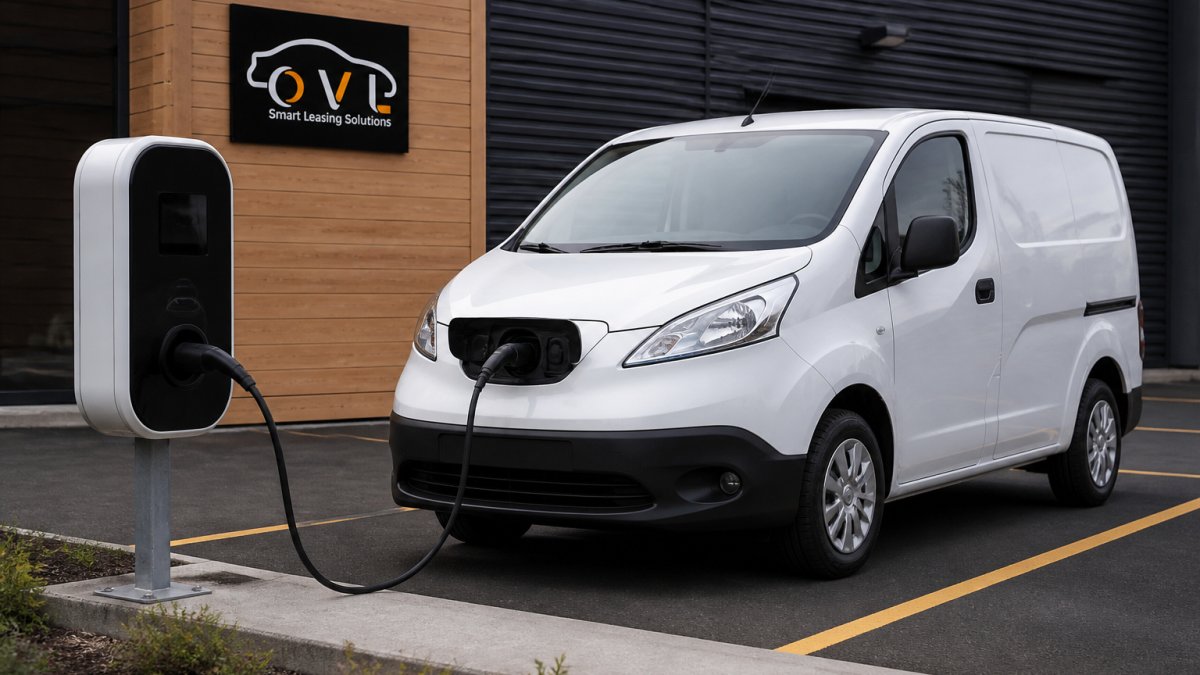
The real advantages:
- Zero tailpipe emissions (eliminating your biggest environmental impact)
- Lower fuel costs
- Reduced maintenance (fewer moving parts, no oil changes)
- Tax efficiency through salary sacrifice schemes
- Improved air quality in areas where your team works
The environmental impact of SME fleet choices shifts dramatically when you go electric. A single EV van eliminates CO₂ annually compared to its diesel equivalent.
But electric vehicles aren't one-size-fits-all. You need to match the right vehicle to your actual use cases.
For daily urban routes under 100 miles: Electric vans and cars work perfectly. Charging overnight at your depot means you start every day with a full battery.
For longer regional routes or unpredictable schedules: You might need a hybrid or a mixed fleet. Some businesses run 70% electric vehicles and keep 30% diesel or hybrid for peak-demand days.
For specialised work (refrigerated goods, heavy lifting): Electric options are improving but still limited. You may need to phase in electric vehicles gradually as technology catches up.
OVL Group helps SMEs navigate these decisions through whole life cost analysis. Our Electric / Hybrid Leasing service makes the transition straightforward, with flexible terms that let you test electric vehicles before committing your entire fleet.
Electric Vehicles Association UK guidance on fleet electrification provides detailed information on vehicle options and charging infrastructure.
Electric Vans for Business: A Practical Alternative to Diesel
Electric vans are the most practical EV option for most SMEs. They offer the space you need, the range your business requires, and the environmental benefits that matter.
A typical electric van can cover a significant range on a single charge, depending on the model and driving conditions. For many field service operations, that's a full day's work. You charge overnight and repeat.
The environmental case is clear:
- Zero emissions during operation
- Dramatically lower energy consumption than diesel
- Reduced noise pollution in residential areas
- No particulate matter or nitrogen oxides
- Supports your brand reputation with environmentally conscious clients
The environmental impact of SME fleet choices becomes tangible when you switch to electric vans. Your team notices the difference immediately, quieter, smoother rides. Your customers notice it too.
Real considerations for electric vans:
- Upfront cost is higher than diesel (but leasing spreads this)
- Charging infrastructure must be reliable (home or depot charging works well)
- Cold weather reduces range by 10-20%
- Payload capacity may be slightly lower than equivalent diesel
- Driver training on efficient driving techniques helps maximise range
For domiciliary care businesses, electric vans are particularly effective. Your routes are predictable. Your daily mileage is moderate. Your team works across residential areas where quiet operation is valued.
If you're ready to explore electric options without the capital outlay, OVL Group's Van Leasing Special Offers include competitive rates on electric and hybrid vans, making the switch more affordable than you might expect.
Fleet Emissions Reduction: Strategies That Work
Cutting emissions doesn't mean replacing your entire fleet tomorrow. Smart businesses use a layered approach. You improve operations, optimise routes, maintain vehicles properly, and gradually shift to cleaner vehicles.
Route optimisation and driver behaviour
Your drivers' behaviour shapes your environmental impact more than you might think. Aggressive acceleration, excessive idling, and inefficient routes waste fuel and increase emissions.
Simple changes that work:
- Plan routes using GPS and traffic data to avoid congestion
- Brief drivers on efficient driving techniques (smooth acceleration, steady speeds)
- Remove unnecessary weight from vehicles
- Reduce idling time at job sites
- Monitor fuel consumption by vehicle and driver
Many businesses see fuel savings just by focusing on driver behaviour. That's money in your pocket and emissions cut without buying new vehicles.
Route optimisation software integrates with your fleet management system. It learns your typical jobs, your traffic patterns, and your time windows. Over time, it gets better at suggesting efficient routes. The environmental impact of SME fleet choices improves when your routes are optimised; you cover more jobs with fewer miles.
Fleet maintenance and vehicle age
An older, poorly maintained vehicle consumes more fuel and produces more emissions. A well-maintained fleet runs cleaner and cheaper.
Maintenance that matters:
- Regular tyre pressure checks (under-inflated tyres increase fuel consumption)
- Engine servicing on schedule (dirty filters and worn parts reduce efficiency)
- Brake and suspension checks (poor condition increases rolling resistance)
- Fluid top-ups and replacements
- Emission system checks
Vehicles over 10 years old often consume more fuel than newer equivalents. They also produce higher emissions.
A phased replacement strategy works better than panic replacement. Identify your oldest, most-used vehicles. Replace them first. Shift them to lower-mileage roles or retire them. Within 3-5 years, you've modernised your fleet without the cash shock.
Leasing versus Owning: The Environmental Perspective
Leasing and owning have different environmental profiles. Understanding the difference helps you make the right choice for your business.
Leasing advantages:
- Newer vehicles (typically 2-4 years old) with better emissions standards
- Regular maintenance included (vehicles stay in peak condition)
- Easy fleet upgrades (swap diesel for electric without the old vehicle burden)
- No disposal responsibility (the lessor handles end-of-life recycling)
- Flexibility to adjust fleet size as your business changes
Owning advantages:
- Long-term cost control (no monthly payments after purchase)
- Flexibility in maintenance decisions
- Vehicle availability without waiting for delivery
- Potential to keep vehicles longer and amortise costs
The environmental impact of SME fleet choices often favours leasing. Leased vehicles are typically newer, which means they meet current emissions standards. They're maintained properly because the lessor ensures compliance. And when they reach end-of-life, they're recycled responsibly rather than abandoned in a yard.
For businesses transitioning to electric vehicles, leasing removes the risk. You don't own the battery. You don't worry about battery degradation or replacement costs. If technology improves, you upgrade to the next generation in three years.
At OVL Group, we structure leasing agreements that reduce your environmental footprint whilst keeping costs predictable. Check our Vehicle Leasing Special Offers to see current rates on modern, low-emission vehicles.
HMRC guidance on vehicle leasing and tax treatment outlines how leasing affects your business tax position. Understanding these rules helps you optimise your fleet structure.
Getting Started with Sustainable Fleet Management
You don't need a complete overhaul to start. Pick one area. Make one decision. Build from there.
Month 1: Measure
- Calculate your current fleet emissions
- Identify your highest-emission vehicles
- Review your routes and driver behaviour
Month 2-3: Optimise
- Implement route optimisation software
- Train drivers on efficient driving
- Schedule preventive maintenance
- Address maintenance backlogs
Month 4-6: Plan
- Analyse lease versus own options
- Evaluate electric vehicle options for your use cases
- Model the financial impact of different scenarios
- Engage your team in the transition plan
Month 7+: Execute
- Start replacing or leasing new vehicles
- Implement fleet management systems
- Monitor progress against your baseline
- Adjust as you learn what works
The environmental impact of SME fleet choices improves incrementally. You're not racing to perfection. You're building a sustainable operation that makes business sense.
Many SMEs find that the financial case for sustainable fleets is stronger than they expected. Lower fuel costs, reduced maintenance, tax efficiency, and improved brand reputation add up quickly. Environmental responsibility and business success aren't in conflict; they're aligned.
Making the right fleet decisions requires expertise you may not have in-house. At OVL Group, we help SMEs across the UK navigate these choices. We analyse your routes, your budget, your timeline, and your environmental goals. Then we recommend a fleet strategy that works.
Whether you're leasing electric vehicles through our Lease Used Electric Vehicles programme, optimising your existing fleet, or planning a gradual transition, we provide the whole life cost analysis and dedicated account management you need. Our salary sacrifice schemes also help your team benefit from lower-cost vehicle options.
Frequently Asked Questions
How can a small business reduce its fleet emissions?
Start by measuring your current emissions using vehicle mileage and fuel consumption data. Implement route optimisation software to reduce unnecessary journeys, maintain vehicles regularly to keep engines efficient, and consider transitioning to electric vehicles where operationally feasible. Driver training on fuel-efficient techniques also makes a measurable difference. Many SMEs find that combining these approaches with a fleet leasing partner who provides whole life cost analysis helps identify which vehicles deliver both environmental and financial benefits.
Are electric vehicles a good choice for small business fleets?
Electric vehicles work well for SMEs with predictable daily routes and access to charging infrastructure. They eliminate tailpipe emissions, reduce fuel costs significantly, and qualify for various tax benefits under HMRC regulations. However, suitability depends on your specific operations: delivery routes, vehicle downtime tolerance, and charging availability. A whole life cost analysis comparing your current fleet against electric alternatives reveals whether the transition makes financial sense alongside environmental gains.
How do electric vans compare with diesel vans for business use?
Electric vans produce zero tailpipe emissions and cost less to fuel and maintain than diesel equivalents. Diesel vans offer greater range and faster refuelling, making them suitable for longer routes. For urban deliveries and field services with regular base access, electric vans increasingly match or exceed diesel performance. Battery technology continues improving, extending range and reducing charging time. A detailed comparison of your typical daily routes, mileage, and charging access determines which option suits your business better.
What should an SME consider before switching to electric fleet vehicles?
Evaluate your current route patterns and daily mileage to ensure electric range meets operational needs. Check charging infrastructure availability at your base and customer sites. Review HMRC salary sacrifice scheme eligibility if offering employee benefits. Calculate whole life costs including purchase, fuel, maintenance, and insurance. Consider phased transition rather than replacing your entire fleet at once, allowing staff to familiarise themselves with electric vehicle operation. A leasing partner experienced in fleet transitions can guide you through these decisions with concrete data specific to your business.